

From global health to food systems and beyond, the 2025 International Congress of Nutrition in Paris revealed the ideas shaping how we’ll eat—and thrive—in the years ahead. Here are my key takeaways.
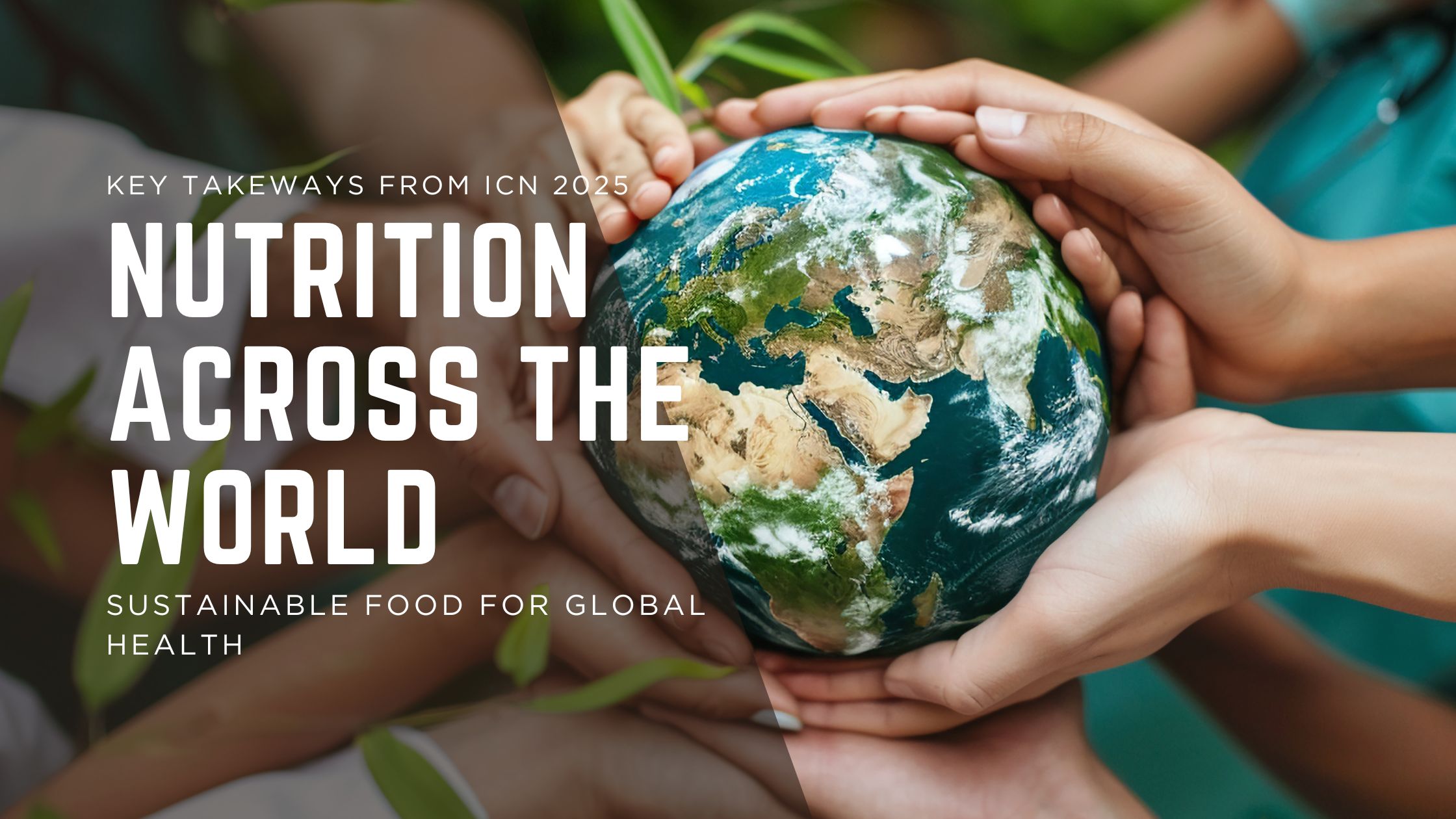
A true “pinch-me” moment: last month, I had the incredible opportunity to attend the International Congress of Nutrition (IUNS) in Paris as press. Held every four years, this conference brings together leading researchers from around the globe to explore the latest in health and nutrition. This year’s theme, “Sustainable Food for Global Health,” drew nearly 4,000 attendees from 117 countries—an inspiring mix of perspectives all focused on advancing nutrition science.
Over five days, scientists shared groundbreaking research on topics ranging from ultra-processed foods and regenerative farming to protein digestibility, obesity, chronic disease, maternal health, and more. With over 150 educational sessions, it was impossible to see everything—but during the three days I attended, I donned my student hat and absorbed as much as possible. Here are the key takeaways from the sessions I was able to attend:
1. Ultra-Processed Foods and Their Impact On Health
One of the most polarizing—and widely debated—topics at the congress was ultra-processed foods (UPF). A central theme was the urgent need for a globally standardized definition, something many leading nutrition scientists now support. The Nova, previously known as NOVA, classification system, which categorizes foods by their degree of processing, was both scrutinized and praised depending on the session.
Key discussion points included:
- UPF aren’t black and white. In low-resource settings where malnutrition is still prevalent, certain UPFs—like ready-to-use therapeutic foods—are literally lifesaving. A single global definition risks oversimplifying foods that, in context, deliver vital nutrition.
- UPFs contribute to chronic disease. In industrialized nations, however, diets heavy in UPFs high in added sugars, fats, and sodium are strongly linked to obesity and other chronic conditions.
- Policies may help, but only within a broader strategy. Taxes on sugar-sweetened beverages or UPFs were highlighted as potential levers for public health improvement. Yet, as several speakers noted, removing processed foods without offering accessible, healthier replacements is ineffective. True impact depends on pairing policy with education, empowerment, and access.
- UPFs and biodiversity. A newer concern is how diets dominated by UPFs reduce agricultural biodiversity, as they rely on a narrow range of ingredients. Scientists called for a return to whole-food diversity to strengthen both human and planetary health.
My Key Takeaway
In 2025, UPFs will undeniably be part of our food environment. The real challenge isn’t eliminating them but finding ways to ensure they don’t undermine public health or sustainable food systems. That requires collaboration between food companies, policymakers, and scientists—not building walls between sectors, but building bridges that prioritize health over profit.
2. Food Marketing, Packaging & Processing
A recurring theme at the conference centered on how food marketing, packaging, and processing influence chronic disease—particularly the rising rates of obesity worldwide. Across sessions, one point of agreement emerged between policymakers and scientists: empowering consumers requires strategies to quietly reduce the energy density of what’s consumed—sometimes called “stealth health.” Here are two key discussions that stood out:
- Should governments regulate portion size—directly or indirectly?
One proposal suggested stricter regulations around the nutrient density of meals and snacks, which would indirectly limit portion sizes. For instance, if a hamburger were capped at 500 calories, restaurants could no longer offer oversized versions that exceed this threshold. While such an approach may not be globally feasible, another researcher offered a more practical idea: a three-tiered menu system that highlights “right-sized” portions at more accessible price points. Considering the U.S. foodservice landscape, this struck me as a creative step toward making balanced portions the easy, affordable choice.
- Do nutrient claims help—or confuse—consumers?
Regulations around nutrient and health claims differ widely across the globe, often leaving consumers unsure of what to believe. A striking example is the long-standing soy protein heart health claim. Despite robust evidence supporting soy as a heart-healthy food, the FDA has proposed revoking its 1999 claim, while the European Food Safety Authority has already rejected it. Since the FDA’s 2017 proposal, no final direction has been made. This lack of alignment between regulations and evolving science fuels consumer confusion and mistrust—especially when viewed through a global lens.
My Key Takeaway
In today’s food environment, marketing messages and health claims can feel overwhelming—and often misleading. Nutrition communicators grounded in science play a critical role in helping consumers sort fact from fiction and make confident choices for themselves and their families. Take yogurt, for example: while some front-of-pack labeling systems might flag it with a low grade, the evidence shows it can support better blood sugar control and overall health. Registered dietitians, in particular, are uniquely positioned to reframe the conversation, guiding people toward foods that align with their personal health needs rather than letting marketing determine what ends up on their plates.
3. Protein and Amino Acids: Does Quality Trump Quantity
Protein and amino acids were another hot topic of discussion, with researchers debating whether quality matters more than quantity when assessing total amino acid intake. One presentation highlighted country-specific data suggesting that animal protein may be more cost-effective than plant protein once amino acid content is factored in—a conclusion that, admittedly, left me a bit perplexed. From both a nutrition and sustainability perspective, much of the evidence continues to favor plant proteins, with the caveat that ultra-processed plant-based options (like imitation burgers) can be more costly.
Some researchers proposed using linear programming models to evaluate the true cost of protein production, factoring in efficiency, nutrient completeness, and sustainability. Such tools may help clarify whether certain plant proteins are indeed more cost-prohibitive than animal sources once all externalities are accounted for.
My Key Takeaway
This conversation is only just beginning, especially when viewed through a global and culturally inclusive lens. What’s clear is that encouraging more dietary diversity—particularly through fiber- and nutrient-rich plant foods—remains essential. At the same time, we must keep an open mind and work collaboratively across sectors to ensure our future food systems provide protein that is both sustainable and nutritionally adequate.
4. Rising Food Costs Globally Are Impacting Worldwide Hunger & Food Insecurity
Food insecurity clearly isn’t just a US problem – it’s happening all over the world. With food inflation rates skyrocketing, The State of Food Security & Nutrition in the World 2025 has indicated that global hunger and food insecurity remain above pre-pandemic levels, putting the world off track from meeting the 2030 Sustainable Development Goal for erradicating global hunger and food insecurity. Persistent food price inflation reduces purchasing power and limits access to healthy diets, especially for low-income populations.
While this can’t be solved overnight, scientists encouraged greater innovation in agriculture productivity and ago-industrilization to see the impact needed to help end worldwide hunger… for good.
My Key Takeaway
This FAO report was referenced in numerous sessions, underscoring the global focus researchers are placing on ending hunger and food insecurity. Coming from one of the wealthiest nations in the world—where 13.5% of households still experience food insecurity—this really hits home and motivates me to take action. With ongoing policy changes affecting families’ access to the nutrition they need to thrive, now is the time to explore how agriculture, sustainable eating, and food policy can work together to address this urgent issue.
Would I recommend attending ICN in the future?
Absolutely—for dietitians and food and health leaders working in policy, food processing, or healthcare, this conference is well worth considering. Held every four years, it’s an incredible opportunity to expand your knowledge, step outside your usual silo, and see what’s happening on the global stage in nutrition and health.
Mark your calendar for 2029 (it’s slated for Canada!) and join the conversation. It’s a chance to connect with scientists and thought leaders tackling some of the world’s most pressing nutrition challenges—even in first-world countries.
Leave a Reply